
The psychology of gambling: Why we play at casinos
The allure of risk and reward
The fundamental principle driving people to casinos is the allure of risk and reward. In gambling, individuals are presented with the possibility of turning a small investment into a significant return. This potential for profit, however improbable, triggers a response in our brain’s reward centers, releasing dopamine, the “feel-good” hormone. This creates a thrill that many find irresistible, particularly when they engage with platforms like 1win , igniting a desire to chase those exhilarating moments, even when the odds are heavily stacked against them. The sensation of winning, even once, can lead to a cycle of anticipation that keeps players returning for more.
This psychological phenomenon often transcends mere financial gain; it’s about the excitement and the adrenaline rush that accompanies the act of gambling. The uncertainty of not knowing whether one will win or lose can be intoxicating. For many, this is akin to riding a rollercoaster—an experience filled with highs and lows, which can become addictive. The enjoyment of playing games of chance also feeds into this curiosity about our luck and skill, making the experiences feel more personal and engaging. The thrill is often not just in the outcome but in the journey of play itself.
Moreover, casinos are designed to amplify these feelings. From the bright lights and sounds to the engaging environments, every element is meticulously curated to heighten excitement and sustain a sense of immersion. This carefully crafted atmosphere encourages players to stay longer and engage more deeply, further feeding into their psychological drive to gamble. As individuals find themselves caught in the thrill, they often forget the potential risks involved, leading to prolonged play and increased investment. This immersive experience is a crucial part of why many find themselves unable to resist the call of the casino.
The role of social interaction
Social interaction is another compelling factor that draws people to casinos. Many individuals view gambling as a social activity rather than a solitary pursuit. The shared experience of playing games like poker or blackjack allows players not only to compete but also to bond over a common interest. This social aspect can diminish feelings of isolation and increase the overall enjoyment of gambling. Meeting new people or connecting with old friends at a casino can create a warm, inviting atmosphere that enhances the experience, making it about more than just the game.
Furthermore, many find that the social dynamics of gambling can influence their decision-making. The presence of peers can spur riskier bets, as players often want to impress others or feel pressure to keep up with the group. This camaraderie can lead to a sense of belonging and acceptance within a larger gambling community. The joy derived from celebrating wins or commiserating over losses fosters a connection that goes beyond mere gameplay, reinforcing the desire to return. The social fabric woven around gambling can be as significant as the games themselves.

However, it’s essential to balance this social interaction with personal limits. While camaraderie is alluring, it can sometimes lead to moments where individuals gamble more than they should, driven by the desire not to let friends down or to maintain a specific social image. Understanding how social dynamics affect gambling behaviors is key to engaging in responsible play and ensuring that the thrill of the game does not overshadow personal well-being. This awareness can help players navigate the fine line between social enjoyment and responsible gambling.
The impact of cognitive biases
Cognitive biases play a crucial role in the psychology of gambling, often leading players to make irrational decisions. One notable bias is the “gambler’s fallacy,” where individuals mistakenly believe that past outcomes will influence future results. For example, someone may think that after several losses, a win is due, which can lead to riskier bets. This belief in patterns can be very enticing, causing players to chase their losses, often resulting in deeper financial difficulties. Recognizing this fallacy is essential for making informed gambling choices.
Additionally, the “illusion of control” is another cognitive bias where players believe they can influence outcomes through skill or specific strategies, even in games based purely on chance. This erroneous confidence can significantly encourage continued play, as individuals feel empowered by their perceived ability to manage luck. Such biases can cloud judgment and lead to a false sense of security, making it difficult for players to recognize when they may need to take a step back. This phenomenon underscores the importance of self-awareness in gambling contexts.
Understanding these cognitive biases is crucial for anyone engaging in gambling activities. By being aware of how these psychological tendencies can influence decisions, individuals can better manage their gambling habits and make more informed choices. Recognizing the limits of control and challenging the assumptions about luck can promote healthier approaches to gambling, allowing individuals to enjoy the experience without falling victim to these psychological traps. Being informed about such biases can empower players to adopt a more rational approach to their gambling habits.
The escapism factor
For many individuals, gambling serves as a form of escapism from the stresses of everyday life. The thrill of placing bets and the immersive environment of casinos provide a temporary diversion from personal challenges or mundane routines. In this immersive space, players can momentarily forget their problems and focus solely on the excitement of the game. This aspect of gambling is particularly appealing in today’s fast-paced world, where individuals often seek outlets to relieve stress and find a break from their responsibilities.
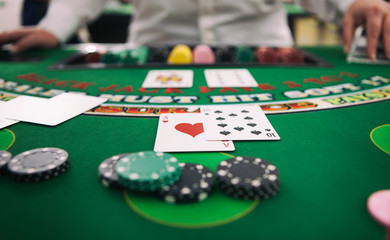
Moreover, the social settings and vibrant atmosphere of casinos enhance this escape, creating a sensory experience that can be hard to replicate elsewhere. Players are enveloped in a world where time feels suspended, and their worries fade as they indulge in the thrill of playing. This ability to disconnect from reality can lead to prolonged gaming sessions, where the desire to escape becomes more about the experience than the outcome of the game itself. The allure of this escape can be powerful, drawing individuals back time and again.
However, it is essential to recognize the potential downsides of using gambling as an escape. While occasional gaming can be a fun way to unwind, relying too heavily on this outlet can lead to problematic behaviors. Individuals may find themselves using gambling as the primary means of coping with stress, which can escalate into addiction. Acknowledging the inherent risks involved in seeking escapism through gambling is crucial for establishing a healthy relationship with the activity. Balancing recreation and reality is critical for maintaining well-being.
Understanding responsible gaming
As the psychological aspects of gambling become clearer, understanding responsible gaming practices is paramount. It is vital for players to recognize their limits and understand that gambling should be approached as a form of entertainment rather than a reliable means of income. Setting personal boundaries—such as time limits and financial restrictions—can help individuals enjoy gaming experiences without succumbing to adverse consequences. This proactive approach encourages a healthier relationship with gambling.
Many casinos and gambling platforms are increasingly promoting responsible gaming initiatives, providing resources and tools to assist players in maintaining healthy habits. This includes self-exclusion programs, educational materials on the risks of gambling, and ways to seek help if gambling becomes problematic. By promoting awareness and encouraging responsible play, the industry aims to minimize the negative impacts of gambling while maximizing the entertainment value. Such initiatives are essential for fostering a culture of informed and responsible gaming.
Moreover, recognizing the signs of gambling addiction is crucial for both players and their families. Understanding emotional triggers, such as stress or social pressure, can help individuals become more aware of their gambling habits. Open discussions about gambling within families and communities can foster a supportive environment where healthy gaming practices are upheld. Ultimately, it is about finding balance and ensuring that gambling remains a positive and enjoyable activity. Prioritizing well-being over the thrill of the game is essential for a sustainable approach to gambling.
